
 By
By 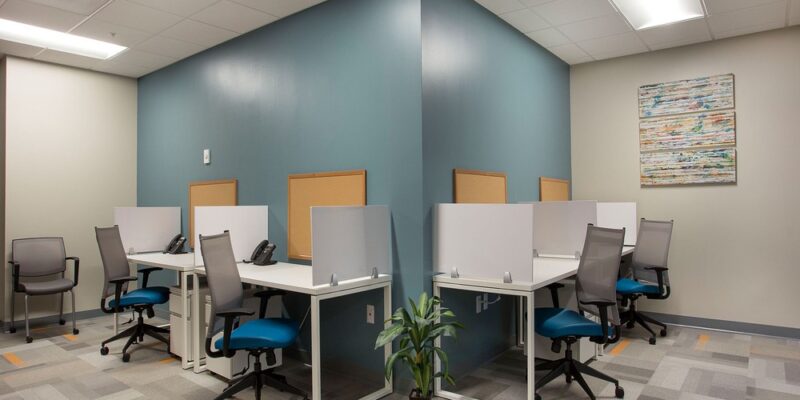
When it comes to running a business, security should never be an afterthought-especially for companies operating in a growing commercial hub like Dale Mabry. Whether you’re leasing a private office, coworking space, or executive suite, having the right security measures in place protects not only your physical assets but also your employees, clients, and sensitive data.
In today’s work environment, office security goes beyond locks and keys. It requires a layered approach that combines physical safeguards, digital protection, and smart workplace policies. Here’s what every tenant in Dale Mabry should consider to create a secure and productive workspace.
Controlled Access Is Your First Line of Defense
One of the most important aspects of office security is controlling who can enter your space. Traditional locks are no longer enough. Modern office environments now use keycard systems, biometric scanners, or mobile app access to ensure only authorized individuals can enter the premises.
For tenants in shared buildings or coworking environments, this becomes even more critical. Limiting access to specific floors, offices, or meeting rooms helps prevent unauthorized entry and reduces the risk of theft or data breaches. Make sure your office provider offers secure entry points and tracks access activity when possible.
Surveillance Systems Enhance Visibility
Security cameras act as both a deterrent and a monitoring tool. A well-placed surveillance system allows you to keep an eye on entrances, hallways, and shared areas. In many cases, simply knowing that cameras are present can discourage unwanted behavior.
If your office space includes shared amenities like kitchens, lounges, or conference rooms, ensure these areas are also covered. High-quality video footage can be invaluable if an incident occurs, helping identify issues quickly and accurately.
Secure Your Digital Infrastructure
Physical security is only one piece of the puzzle. With businesses relying heavily on digital operations, cybersecurity must be a top priority. This includes:
- Secure Wi-Fi networks with strong encryption
- Firewalls and antivirus software
- Regular software updates and patch management
- Multi-factor authentication for sensitive systems
Tenants using shared office spaces should confirm that the building or workspace provider offers secure and segmented internet connections. Public or unsecured networks can expose your business to serious risks, including data theft and unauthorized access.
Protect Sensitive Documents and Equipment
Even in a digital-first world, many businesses still handle physical documents and valuable equipment. Filing cabinets with locks, secure storage rooms, and clean desk policies can go a long way in protecting confidential information.
Encourage employees to store sensitive files properly and avoid leaving laptops, devices, or documents unattended-especially in shared environments. Simple habits like locking screens and organizing workstations can significantly reduce risks.
Emergency Preparedness Matters
Security isn’t just about preventing theft-it’s also about being prepared for emergencies. Tenants should be familiar with building safety protocols, including fire exits, evacuation routes, and emergency contacts.
Make sure your office space is equipped with:
- Fire alarms and sprinkler systems
- Clearly marked emergency exits
- First aid kits
- Backup power solutions
Regular drills and clear communication can ensure everyone knows what to do in case of an emergency, minimizing confusion and potential harm.
Work with a Secure Office Space Provider
Choosing the right office space provider can make a major difference in your overall security. Look for providers that prioritize safety through modern infrastructure, on-site management, and well-maintained facilities.
A professional workspace should offer more than just desks-it should create an environment where businesses can operate confidently. From controlled access to reliable support staff, these features contribute to a safer and more efficient workplace.
Build a Security-Conscious Workplace Culture
Finally, security is a shared responsibility. Even the most advanced systems can fail if employees are not aware of best practices. Educate your team on basic security protocols, such as recognizing suspicious activity, safeguarding passwords, and following access procedures.
Encouraging accountability and awareness helps create a culture where everyone plays a role in maintaining a secure environment.
Final Thoughts
Office space security is an essential investment for tenants in Dale Mabry. By combining physical safeguards, digital protection, and proactive policies, businesses can reduce risks and focus on what truly matters-growth and success.
Whether you’re a startup, freelancer, or established company, taking the time to secure your workspace ensures peace of mind and long-term stability.
This post was written by Tara Kintz. Tara is a director at Signature Workspace. Signature Workspace, owned and operated by Cantor Fund Management, offers services and amenities such as private offices, flex space, co-working space, virtual offices, meeting/conference rooms, and more.









Comments