
 By
By 
Ever watched an oyster farmer haul up a dripping oyster basket from the water, cracking open a shell to reveal a plump, briny gem inside? There’s a lot more to oyster farming than just tossing shells into the sea and hoping for the best. The secret to a thriving oyster farm? Picking the right oyster cage and basket setup. Whether you’re a seasoned aquaculturist or a newbie looking to dive into shellfish farming, choosing the right gear can make or break your harvest.
Why Oyster Baskets and Cages Matter
Oysters might seem like low-maintenance creatures, but they’re picky about their living conditions. A good oyster basket keeps them safe from predators, allows proper water flow for feeding, and prevents overcrowding. On the other hand, a sturdy oyster cage ensures they stay put in strong currents and don’t get buried in sediment.
Think of it like real estate—location matters, but so does the house. A flimsy basket means lost oysters, while a poorly designed cage can lead to stunted growth. The right gear maximizes survival rates, boosts meat quality, and makes harvesting a breeze.
Types of Oyster Baskets: Which One’s for You?
Not all oyster baskets are created equal. Some are built for shallow waters, others for deep-sea farming. Some are stackable, while others float. Let’s break down the most popular types.
Stackable Oyster Baskets
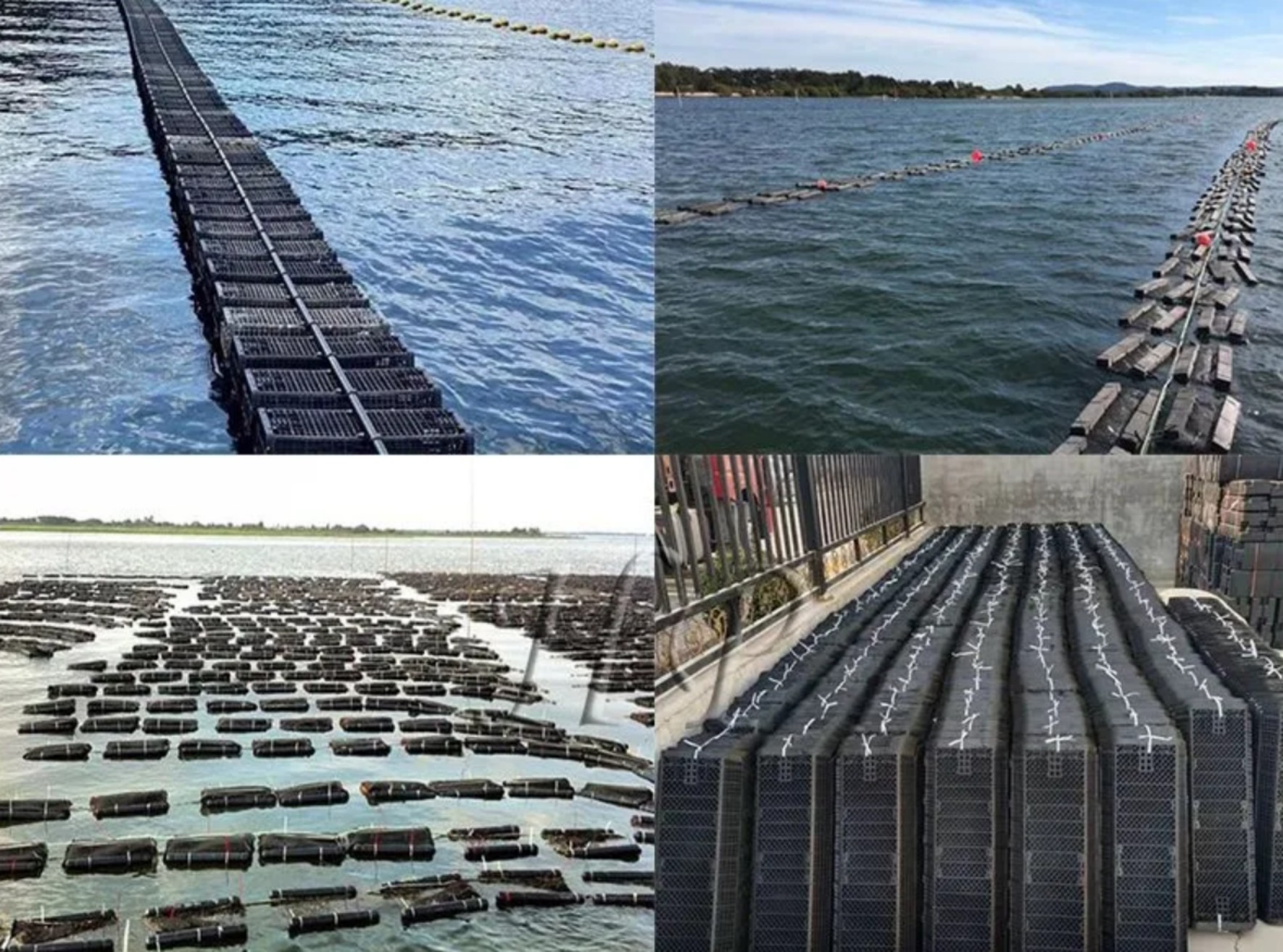
These are the workhorses of oyster farming. Designed to be piled on top of each other, they save space and make handling easier. Farmers love them because they allow oysters to tumble naturally, which helps shape stronger, deeper shells. Plus, they’re easy to clean and maintain.
Floating Oyster Baskets
If you’re farming in areas with shifting tides or soft bottoms, floating baskets are a game-changer. They keep oysters suspended in the water column, ensuring consistent feeding and growth. The downside? They can be more exposed to storms and strong waves, so durability is key.
Plastic vs. Metal Baskets
Plastic oyster baskets are lightweight, corrosion-resistant, and easy to handle. Metal ones, usually made from galvanized steel, are tougher but can rust over time. Your choice depends on your environment—saltwater farms might prefer plastic, while more sheltered operations could opt for metal.
Oyster Cages: Keeping Your Bivalves Safe
While baskets are great for smaller operations, oyster cages are the go-to for larger farms. They’re built to withstand harsh conditions and protect oysters from crabs, starfish, and other hungry predators.
Standard Pyramid Cages
These cone-shaped cages are a classic. Their design prevents silt buildup and allows water to flow freely, keeping oysters clean and well-fed. They’re also stackable, making storage a cinch.
Lantern-Style Oyster Cages
Popular in deeper waters, lantern cages have multiple tiers, giving oysters plenty of room to grow. They’re a bit more labor-intensive to maintain but offer excellent protection and high-density farming potential.
Adjustable Cages for Different Growth Stages
Oysters grow fast, and their housing needs change over time. Some oyster cages come with adjustable compartments, letting farmers separate younger oysters from mature ones without needing extra equipment.
Material Matters: What Should Your Gear Be Made Of?
Whether you’re using an oyster basket or oyster cage, material choice impacts durability, maintenance, and even oyster health.
Plastic (HDPE): Lightweight, UV-resistant, and doesn’t corrode. Perfect for long-term use in saltwater.
Galvanized Steel: Super strong but can rust over time. Best for short-term projects or freshwater farms.
Coated Wire: Offers a middle ground—stronger than plastic but more corrosion-resistant than bare metal.
Size and Spacing: Giving Oysters Room to Breathe
Ever tried living in a cramped apartment? Oysters hate it too. Overcrowding leads to weaker shells and slower growth. A good oyster basket or oyster cage provides enough space for each oyster to develop properly.
For baskets, mesh size is crucial—too small, and water flow is restricted; too big, and baby oysters escape. Cages should have enough gaps for feeding but not so wide that predators sneak in.
Maintenance: Keeping Your Gear in Top Shape
Oyster farming isn’t a “set it and forget it” deal. Baskets and cages need regular cleaning to prevent algae buildup and ensure proper water flow. Plastic gear is easier to scrub, while metal may need rust treatment.
Pro tip: Rotate your oyster baskets occasionally to prevent uneven growth and check for wear and tear after storms.
Where to Buy Quality Oyster Baskets and Cages
Now that you know what to look for, where do you get the good stuff? Sites like OysterBasket.com offer a range of high-quality oyster baskets and oyster cages, from stackable designs to heavy-duty cages built for commercial farming.
Final Thoughts
Choosing the right oyster basket or oyster cage isn’t just about convenience—it’s about giving your oysters the best shot at growing plump, healthy, and delicious. Whether you go for floating baskets, pyramid cages, or adjustable systems, the right gear makes all the difference.
So, next time you shuck an oyster, remember—it’s not just the sea that shaped it. It’s the basket or cage that kept it safe along the way. Happy farming!











Comments