
 By
By 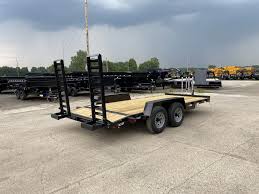
By Workhorse Trailers | Northern Utah Equipment Haulers & Commercial Trailer Builds
Utah’s construction and landscaping markets have not slowed down. New residential developments across the Wasatch Front, commercial projects in the St. George corridor, and a steady demand for excavation and grading work across rural and suburban Utah mean contractors and landscapers are moving equipment constantly. The trailer doing that work is not a peripheral item in the operation. It is a piece of working infrastructure, and a mismatch between the trailer and the equipment being hauled creates problems that show up either at the loading dock or at highway speed. At Workhorse Trailers, we build equipment haulers specifically for the weight classes and machine dimensions that Utah contractors are actually running. This guide covers what to get right before you buy.
The variables that matter for an equipment trailer purchase are more specific than most first-time commercial buyers expect. GVW rating, deck dimensions, ramp type, and tie-down configuration all interact. Getting one of them wrong does not produce a warning label. It produces a damaged machine, a failed DOT inspection, or a loading incident on a job site.
GVW Ratings: Start Here Before Anything Else
Gross Vehicle Weight rating is the maximum legal and structural weight the trailer can carry, including the trailer’s own weight. It is the first number that needs to match your equipment, not the last. Contractors regularly undersize here, buying a trailer rated for the machine’s published operating weight without accounting for attachments, fuel, and any additional equipment loaded alongside.
A Bobcat S650 skid steer has an operating weight of approximately 8,200 pounds. Add a bucket attachment at around 450 pounds, a full fuel load, and any rigging or tools riding on the deck with it, and you are approaching 9,000 pounds of actual load. That machine does not belong on a trailer rated for 7,000 pounds, which is a configuration sold and marketed widely as appropriate for “light equipment.” A 10,000-pound GVW trailer is the correct floor for that application, and a 14,000-pound trailer gives you meaningful margin for larger skid steer models and additional attachments.
Mini excavators present a similar calculation. A Kubota KX040 weighs approximately 8,600 pounds. A Cat 305 is around 11,500 pounds. Those are not the same trailer. Buyers who are still growing their equipment fleet and anticipate moving to larger machines within a few years often make the practical decision to buy up in GVW now rather than replace the trailer when the next machine arrives.
The tow vehicle side of this equation matters equally. Utah’s towing regulations follow federal CDL thresholds: a combined vehicle and trailer weight exceeding 26,000 pounds requires a commercial driver’s license. Contractors running a heavy-duty pickup and a loaded equipment trailer should verify the combined weight of their specific configuration before assuming they are under that threshold. A three-quarter-ton truck with a curb weight near 7,000 pounds and a 20,000-pound loaded trailer is closer to that line than it looks on paper.
Deck Length and Width: Matching the Platform to the Machine
Most skid steers and compact track loaders fall between 10 and 13 feet in overall length with a standard bucket. That measurement changes when attachments extend beyond the rear of the machine or when you are loading a machine with an auger, a trencher, or a hydraulic thumb that adds rear overhang. A 14-foot deck is a workable minimum for most single skid steer loads. A 16-foot deck gives you room to carry the machine and stage a secondary attachment or tool chest on the same trip without crowding your tie-down access.
Deck width is the dimension contractors think about less and regret more. Compact track loaders and skid steers typically run between 66 and 80 inches wide depending on model and track width. An 83-inch deck width, which is a standard configuration for many equipment haulers, accommodates most machines in that range but leaves limited margin on the loading approach and tight clearance for operators who are chaining down in a hurry on an uneven job site. An 8.5-foot deck width provides noticeably more practical working room and accommodates larger track machines without the precision-loading stress.
For mini excavators, overall transport length including the counterweight and blade can reach 16 to 20 feet depending on the machine. An excavator does not load in a tidy rectangle. The cab swing and counterweight radius during loading require deck access on both sides, which means the effective deck length you need accounts for the machine’s geometry in motion, not just its parked footprint.
Ramp Type: The Configuration That Either Works for Your Machine or Doesn’t
Equipment trailer ramps come in three primary configurations: fold-down rear ramps, spring-assisted fold-down ramps, and dovetail designs with folding flip-over sections. Which one is right depends on the machines you are loading and the ground clearance and approach angle of those machines.
Standard fold-down ramps on equipment trailers are typically 4 to 5 feet long and create a loading angle between 18 and 22 degrees depending on deck height. That angle is acceptable for skid steers with rubber tires but can cause the rear blade of a track loader or the bucket linkage of a machine in float position to drag during the transition from ramp to deck. Spring-assisted ramps, which counterbalance the ramp weight during raising and lowering, address the fatigue issue on heavy ramps but do not change the loading angle.
Dovetail designs solve the approach angle problem at the cost of rear deck usable length. A 4-foot dovetail on a 16-foot trailer effectively gives you 12 feet of flat deck. For operators loading machines with very low rear clearance or attachments that extend close to the ground, a dovetail is often the right tradeoff. Beavertail and dove-tail configurations reduce the transition angle to 10 degrees or less, which loads smoothly even on machines that would drag on a standard ramp setup.
Max ramps, which are longer fold-down ramps with a shallower angle, represent a middle path for contractors who are loading varied equipment and need a single configuration that works for most of it. Workhorse gooseneck trailers come with heavy-duty spring-assisted max ramps specifically for this reason: a gooseneck configuration already carries heavier loads, and the ramp system needs to match the weight class of what is getting loaded onto it.
Chain Tie-Downs and D-Ring Placement for Heavy Equipment
Equipment trailer tie-downs operate under different standards than the strap-and-ratchet system used for UTVs and lighter loads. Federal Motor Carrier Safety Administration regulations under 49 CFR Part 393 specify working load limits for tie-down assemblies based on cargo weight, and chain tie-down systems for equipment are rated accordingly. A machine over 10,000 pounds requires tie-down assemblies with a combined working load limit of at least half the cargo weight, with a minimum of four tie-down points. A 12,000-pound excavator needs tie-down systems totaling at least 6,000 pounds of combined working load limit, properly distributed.
D-ring placement on the trailer deck determines whether you can actually achieve those tie-down angles. Chain tie-downs are most effective when they run at a 45-degree angle from the anchor point on the machine to the D-ring on the deck. If the D-rings are positioned for a standard skid steer wheelbase but you are loading a longer mini excavator, the geometry is off and the chain angles are steeper than optimal, which reduces the effective hold-down force. Trailers with adjustable chain hooks or multiple D-ring positions along the frame rail give you more flexibility across different machine configurations.
Pipe spools and storage for chains and binders are a practical detail worth asking about. Operators who are loading and unloading multiple times per day need their tie-down hardware accessible and organized. Chains pooled loose on the deck or stored in a toolbox that requires hunting are a time cost on every job. Built-in chain storage integrated into the trailer frame is a small feature that earns its value across a full season of daily use.
Equipment Hauler, Deck Over, or Gooseneck: Which Platform Fits Your Operation
Equipment Haulers
A purpose-built equipment hauler is the right starting point for most contractors who are moving a single compact machine and its attachments on a daily basis. Built with heavy-duty frame components and rated for the weight classes that skid steers and mini excavators actually occupy, a well-built equipment hauler handles the repetitive loading cycles, road vibration, and load stress that a utility trailer modified for equipment use deteriorates under over time.
The equipment hauler’s side rail design and deck height also determine clearance for machines with wide tracks. A deck that sits between the axles rather than over them provides lower loading height, which reduces the effective ramp angle and eases the transition for tracked machines.
Deck Over Trailers
Deck over trailers place the deck above the wheels rather than between them, which eliminates the width restriction created by fenders and wheel wells. That configuration gives you a full 8 to 8.5-foot usable deck width across the entire length of the trailer without obstructions. For contractors running wide track machines, oversized equipment, or loads that require forklift side-loading, the deck over configuration is frequently the right answer.
The tradeoff is loading height. A deck over trailer sits higher off the ground than a standard equipment hauler, which increases the effective ramp angle. Longer ramps or a dovetail section offset this, but the geometry needs to be matched to the specific machines being loaded.
Gooseneck Trailers
Gooseneck trailers connect to a fifth-wheel hitch in the truck bed rather than a standard ball hitch at the receiver, which shifts more of the trailer weight over the truck’s rear axle and increases the practical towing capacity of the combination. For contractors moving machines in the 15,000 to 25,000-pound range, or running long hauls where stability and payload matter more than maneuverability, the gooseneck configuration is the right platform.
The gooseneck connection also reduces trailer sway significantly on Utah’s high-speed interstates, which matters on loaded hauls between job sites across the Wasatch Front. The fifth-wheel pivot point sits directly over the drive axle, which is a more stable geometry than a standard bumper pull at highway speed with a heavy load.
Spec Your Equipment Trailer with Workhorse Trailers Before the Next Job Starts
Utah’s construction season does not wait for the right trailer to show up on backorder. Contractors who are running equipment now and hauling on a trailer that is undersized, aging out of serviceability, or simply not matched to the machines being loaded are absorbing risk on every move. A trailer that fails at a job site or gets flagged at a weigh station costs more in a single day than the difference between buying right and buying close.
Workhorse Trailers builds equipment haulers, deck over trailers, and gooseneck trailers in Marriott-Slaterville for exactly the commercial use cases Utah contractors face: the weight classes, the terrain, the daily loading cycles, and the conditions that separate a trailer built for this market from one that was built for a national average. Bring in your machine’s specs or call ahead and we will work through the GVW, deck configuration, and ramp setup that matches your operation before you commit to anything.









Comments