
 By
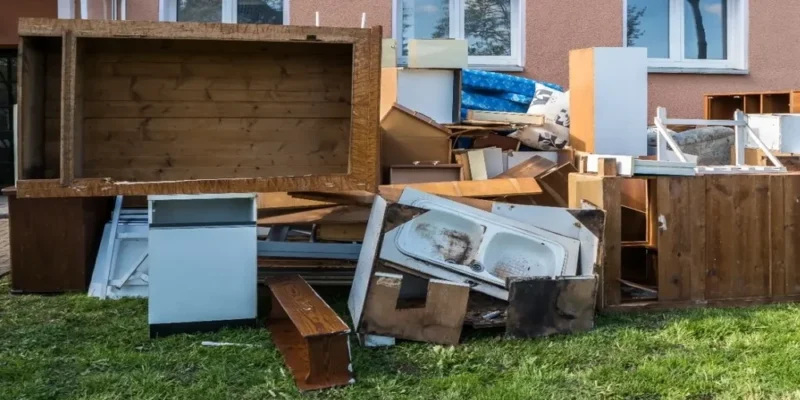
Hiring someone to take rubbish away can feel like paying for a task any able adult could do. Sometimes that instinct is right, and a trip to the bin centre is all that is needed. The mistake is applying it to every situation, including those where doing it yourself costs more in time, risk and van hire than the service would have. The sensible question is not whether junk removal is a luxury, but at what point the load, the access or the deadline tips the balance.
The Jobs You Can Reasonably Do Yourself
Start with what does not need a service. A few bags of clutter, small broken items and flattened cardboard can go through the normal refuse and recycling arrangements. A single chair or small shelf can often be carried to the appropriate point, and HDB residents may be able to use their town council’s limited bulky item removal. If the items are light, few in number and accepted by the routine system, paying for a collection adds little.
When Volume Becomes the Deciding Factor
Volume is the first clear signal. Once the load would fill more than a car boot or two, self-disposal means repeated trips or a hired van. A full room of furniture, the contents of a storeroom or the remains of an office cannot realistically be moved in a private car. At that scale the comparison changes, because the cost of a vehicle, fuel and several hours of your own time begins to approach or exceed a quoted removal.
When Weight and Size Make It Unsafe
Some items are a risk regardless of quantity. Solid wardrobes, pianos, safes, treadmills, fridges and large mattresses can injure an untrained person and damage walls, floors and lifts on the way out. Stairs multiply the danger. A strained back or a gouged lift panel is a poor return for a saved fee. If an item needs more than two people, has to be dismantled, or cannot be lifted without bending awkwardly, it is a job for a trained crew.
When Time Is the Constraint
Deadlines change the calculation completely. A tenancy handover, a property sale, a renovation start date or an office lease expiry leaves no room for a clear-out spread over several weekends. In those cases full-service junk haulage turns an open-ended chore into a booked appointment with a defined finish. The value lies in certainty: the premises are empty on a known date, and penalties for late handover or delays to contractors are avoided.
When the Building Makes It Difficult
Access can be the hidden obstacle. A walk-up with narrow stairs, a condominium with restricted moving hours, a basement with a low height limit or a shophouse with no loading area all complicate a do-it-yourself job. Removal companies deal with these conditions routinely and arrive with suitable vehicles and equipment. They are also accustomed to management requirements such as lift protection and booked loading bays, which an individual may only discover on the day.
When You Do Not Know Where It Goes
Carrying an item out is only half the task. It then has to be taken somewhere that accepts it. General waste, bulky furniture, renovation debris and electronic waste each follow a different route, and electronic items come under a separate regulated scheme in Singapore. Leaving things beside a bin or in a void deck is not disposal, and illegal dumping is an offence. A licensed collector removes this uncertainty, since directing each material to an authorised facility is part of the job.
Situations That Are Emotionally Difficult
Some clearances are hard for reasons unrelated to weight. Emptying the home of a relative who has died, or dealing with a property affected by long-term hoarding, can be exhausting for a family. An outside crew brings a degree of distance and pace. Relatives can concentrate on finding documents, photographs and keepsakes, while the heavy and repetitive work is handled by others. Discretion and patience matter in these jobs, and are fair things to ask a company about.
What You Are Actually Paying For
A removal fee covers more than transport. It includes labour, a suitable vehicle, handling and disposal charges, and the knowledge of where each type of waste may be taken. It also shifts physical risk away from you. When comparing the fee with the do-it-yourself alternative, count the real costs on your side: van rental, fuel, parking, any disposal charges, protective materials, and the hours involved. The gap is often smaller than expected, and sometimes it runs the other way.
Checks Before You Hire
If hiring makes sense, a few checks protect you. Confirm that the company is licensed by the National Environment Agency as a general waste collector. Ask for a written quote that states the assumed volume, floor level and any dismantling. Find out what happens if the load is larger than estimated. Ask how items are handled after collection. A company that answers these plainly and asks its own questions about access is likely to be organised on the day.
Making the Call
A workable rule is to hire when any one of four conditions applies: the load will not fit in a car, an item cannot be lifted safely by two people, there is a fixed deadline, or you are unsure where the waste is permitted to go. If none applies, the routine refuse system or the town council is probably sufficient. If one or more does, gather photographs, note the access details and ask an experienced junk clearance company for a written quote before committing your own weekend to the job.












Comments