
 By
By 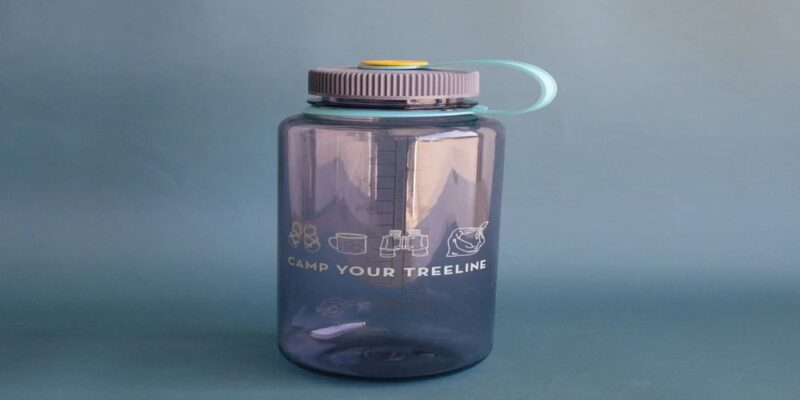
Do water bottles aid recovery?
Recovery after physical exertion depends on several physiological processes, and hydration sits at the centre of most of them. Fluid lost during training needs to be replaced before muscle repair, nutrient transport, and energy restoration can proceed efficiently. A vessel that supports structured intake during the recovery window produces more consistent rehydration outcomes across repeated training cycles. Nalgene Water Bottles suit this role through volume capacity, exterior markings, and material properties that hold up through the handling conditions a fitness environment regularly produces. The wide mouth accepts ice for cold-water recovery use, graduated markings support measured post-workout intake without a separate tracking tool, and durable construction tolerates gym carry drops, surface contact, and bag compression. Recovery hydration is not an afterthought to training; it is a structured phase that a well-suited vessel supports passively across every session without requiring active management from the person using it.
How much water aids muscle recovery?
Post-exercise fluid requirement depends on session intensity, duration, and individual sweat rate rather than a fixed universal figure. A moderate session lasting under an hour typically requires replacing fluid lost during activity plus a baseline volume to cover ongoing physiological demand after exertion ends.
Longer or more intense sessions increase replacement requirements proportionally. Exterior volume markings on a clearly graduated vessel allow intake to be measured against a personal target without estimation or a separate logging tool. That precision matters during recovery because consistent under-replacement across repeated training days accumulates into a deficit that affects subsequent session performance before the person identifies hydration as the contributing variable worth addressing.
Recovery hydration timing
The period immediately following a training session is when fluid replacement is most effective relative to physiological demand. Intake during this window supports processes that begin within minutes of exertion ending rather than hours later. Carrying a filled vessel to the session rather than sourcing water afterwards removes the gap between finishing training and beginning rehydration. A bottle already present, filled, and accessible without a separate detour keeps the recovery window intact. Immediate access directly affects how promptly post-workout intake begins across repeated sessions throughout the week, which compounds into a measurable difference in recovery consistency over a full training cycle.
Ice and cold water use
Cold water intake after intense exertion is a common recovery practice that a wide-mouth vessel supports directly without additional equipment. Ice added through the wide opening keeps contents cool during the post-workout period, extending cold intake availability in warm training environments where ambient temperature raises liquid temperature quickly. The wide mouth also accepts electrolyte tablets, dissolvable supplements, or fruit additions without pre-crushing or preparation that narrower openings require. Each detail connects to how the vessel functions during post-exercise recovery conditions, specifically, rather than general daily use across other contexts.
Gym bag carry durability
A recovery bottle lives in a gym bag alongside footwear, damp clothing, and hard equipment surfaces that test construction quality across repeated contact cycles.
- Exterior construction that resists scratching holds up through regular bag contact without cosmetic degradation after weeks of gym carry.
- Lid seal integrity under bag compression keeps contents secure when the bottle sits horizontally beneath heavier items during transit.
- Material that does not retain odour from previous contents maintains taste neutrality across varied liquid types used during different recovery phases.
Selecting a vessel suited to recovery demands rather than general use produces a functional difference that compounds across a full training cycle. Bottles that support measured intake and maintain performance through repeated daily use earn a permanent place in recovery routines.










Comments