
 By
By 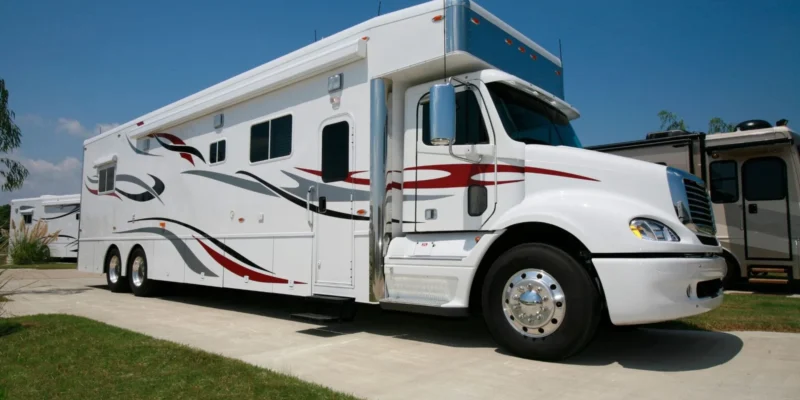
RV disposal involves complexities absent from standard automobile removal due to size, construction, contents, and regulatory differences. A motorhome measures 20 to 45 feet long, whereas a car measures 15 feet long. In comparison to sedans that are 5 feet tall, these vehicles reach a height of 12 feet. Cars weigh 3,000 pounds, while trucks weigh 10,000 to 30,000 pounds. Construction combines automotive chassis with residential building materials, creating mixed waste streams. Appliances, furniture, propane systems, water tanks, and electrical systems need separate handling. Transportation requires larger equipment and special permits. These factors combine to make RV removal substantially more complex and expensive than standard vehicle disposal.
Size and weight complications
Cars are easily handled by standard tow trucks. To transport RVs, you need a wrecker or flatbed truck that can carry more than 30,000 pounds. Due to trailer length, towing companies cannot provide extended flatbeds. Height clearance under bridges and power lines restricts routes. rv removal in Phoenix AZ, must navigate urban areas with overhead obstacles and narrow streets designed for standard vehicles. Width exceeds single lane dimensions, requiring two-lane roads. Turning radius limitations prevent navigation through tight residential areas. Weight restrictions on bridges eliminate certain routes. Parking and manoeuvring at disposal sites requires extensive space. Equipment rental costs jump dramatically for heavy-duty hauling gear versus standard car towing equipment.
Appliance and system extraction
Built-in appliances need removal before RV disposal or recycling:
- Refrigerators contain refrigerants requiring EPA-certified recovery
- Air conditioning units hold additional refrigerants and freon
- Propane systems need tank purging and line disconnection
- Water heaters get drained and removed separately
- Generators contain fuel and oil, requiring proper drainage
- Furnaces and heating systems get extracted
- Plumbing fixtures and holding tanks get removed
- Solar panels and electrical components get salvaged or disposed of
Transportation permit differences
Cars travel on roads without special permits within dimensional limits. RV transport often requires oversize load permits from transportation departments. Escort vehicles accompany extremely large motorhomes. Route surveys identify clearance issues before transport begins. Utility companies receive notice when heights approach power line clearances. Travel restrictions limit movement to daytime hours or specific days. Permit costs vary by state and load dimensions. Processing takes days or weeks, delaying removal projects. Violations result in substantial fines and impoundment. Multi-state transport requires permits from each jurisdiction crossed. Local ordinances sometimes prohibit oversized vehicle movement on residential streets, requiring alternate routing.
Disposal facility limitations
Standard auto salvage yards accept cars without hesitation. RV disposal meets resistance due to size and mixed materials. Specialised RV wrecking yards exist, but in limited numbers, requiring long-distance transport. RVs are charged premium tipping fees based on their weight and volume at landfills that accept them. Metals must be separated from non-metals before dismantling by recycling facilities. Some facilities refuse RVs entirely, lacking equipment or space for handling large units. Wood and fibreglass components get rejected by metal recyclers. Hazardous waste facilities charge separately for propane tanks, batteries, holding tank contents, and refrigerants. Finding willing disposal facilities becomes challenging, particularly for older, deteriorated units with contamination. Geographic limitations mean the nearest accepting facility sits hundreds of miles away.
RV removal complexity stems from fundamental differences in size, construction, contents, and regulations compared to standard automobiles, making sed knowledge and equipment essential for successful economical removal rather than attempting disposal through regular car removal services lacking specific capabilities.






Comments